
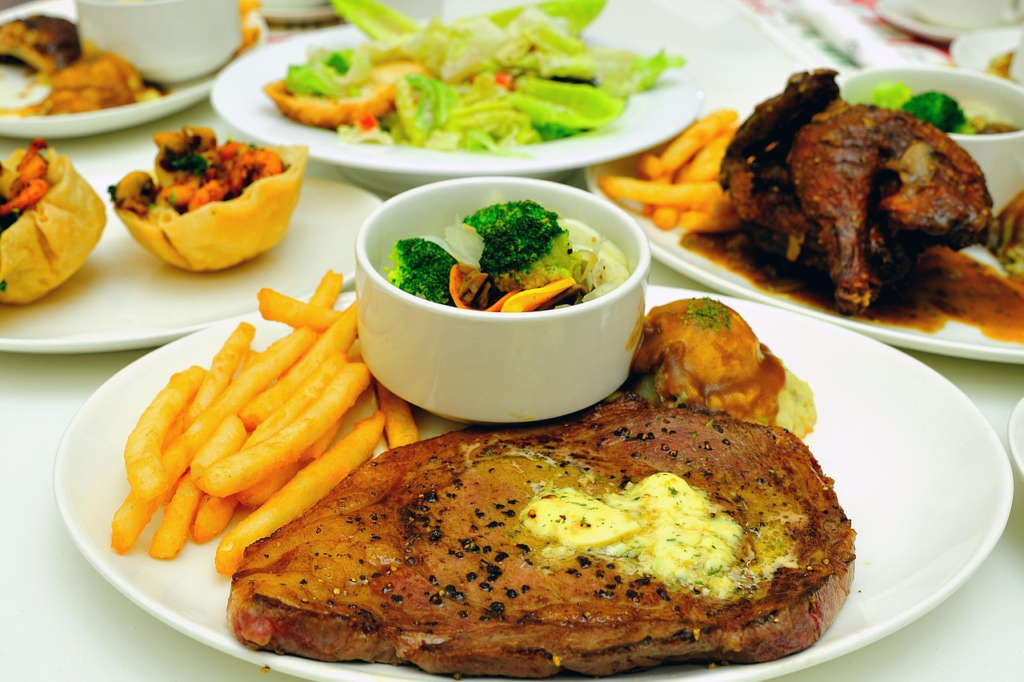
A Shift Happening Right in the Kitchen
food tech news been about tradition—recipes passed down, flavors remembered, small details that matter. But lately, something else has been quietly entering the picture: technology. Not in a way that replaces tradition, but in a way that reshapes how food is made, delivered, and even thought about.
It’s subtle at first.
Then you notice it everywhere. From automated kitchens to app-based ordering systems, the food experience is becoming more connected. Platforms like TechForgeEdge have been following this shift, showing how innovation is changing not just what people eat, but how they access it.
Smart Kitchens and AI in Food Production
One of the biggest developments in food tech news is the rise of smart kitchens. These aren’t futuristic concepts anymore—they’re already in use, helping restaurants manage operations more efficiently. Less guesswork, more precision.
AI-driven systems can monitor cooking times, ingredient usage, and even predict demand. It helps reduce waste and improve consistency. For businesses, that’s a big deal. For customers, it means better quality and faster service.And it keeps improving.
Food production is also becoming more data-driven. From farm to table, technology is being used to track processes and optimize outcomes.
Improving Food Safety and Supply Chains
Food safety has always been important, but technology is making it easier to maintain. Digital tracking systems allow producers to monitor food at every stage—storage, transportation, and delivery.That visibility matters.
If something goes wrong, it can be traced quickly. Problems are identified faster, and solutions can be implemented without delay. It creates a safer system overall.Supply chains are becoming smarter too.
Automation and data analytics help manage inventory, predict shortages, and reduce delays. It’s not perfect, but it’s more efficient than traditional methods.
The Rise of Cloud Kitchens and Digital Dining
Dining itself is changing. Cloud kitchens—restaurants that operate without a physical dining space—are becoming more common. They focus entirely on delivery, using technology to manage orders and operations.It’s a different model.
But it works. Customers get food quickly, and businesses reduce overhead costs. Digital platforms play a huge role here, connecting restaurants with customers in real time.Ordering food has never been easier.
A few taps on a screen, and meals are on the way. It’s convenient, and people have gotten used to that level of ease.
Automation and Efficiency in Restaurants
Automation is finding its way into restaurants as well. Self-order kiosks, robotic assistants, and automated systems are helping streamline operations.It saves time.
Staff can focus on tasks that require a human touch, while machines handle repetitive processes. It’s not about replacing people—it’s about supporting them.And improving overall efficiency.
Customers benefit too. Faster service, fewer errors, and a smoother experience overall.
Challenges in Food Technology
Of course, integrating technology into food systems isn’t without challenges. Cost is one of the main barriers. Not every business can afford advanced tools or systems.That creates a gap.
There’s also the question of trust. Some people are cautious about AI-driven food production or automated processes. They want to know that quality and authenticity are still being maintained.And that concern is valid.
Balancing innovation with tradition is an ongoing challenge.
Looking Ahead: The Future of Food Tech
The future of food technology looks promising, but also complex. New innovations are emerging, from lab-grown foods to sustainable packaging solutions.It’s evolving quickly.
Sustainability is becoming a key focus. Technology is being used to reduce waste, conserve resources, and create more eco-friendly systems. That shift feels necessary, not optional.And it’s gaining momentum.
The Role of TechForgeEdge in Food Innovation
TechForgeEdge continues to explore these developments, connecting technology with real-world applications in the food industry. It highlights not just what’s new, but what’s practical and impactful.That distinction matters.
Because food is personal. It’s part of daily life, culture, and routine. Technology needs to enhance that experience, not complicate it.
A New Way to Think About Food
In the end, food is still about taste, experience, and connection. Technology doesn’t replace those elements—it supports them.That’s the goal.
From smart kitchens to digital dining platforms, the industry is evolving in ways that make food more accessible, efficient, and sustainable. It’s not perfect, and it’s still changing.But it’s moving forward.
And as food tech continues to grow, one thing remains clear: innovation is reshaping the way people experience food—quietly, but significantly.